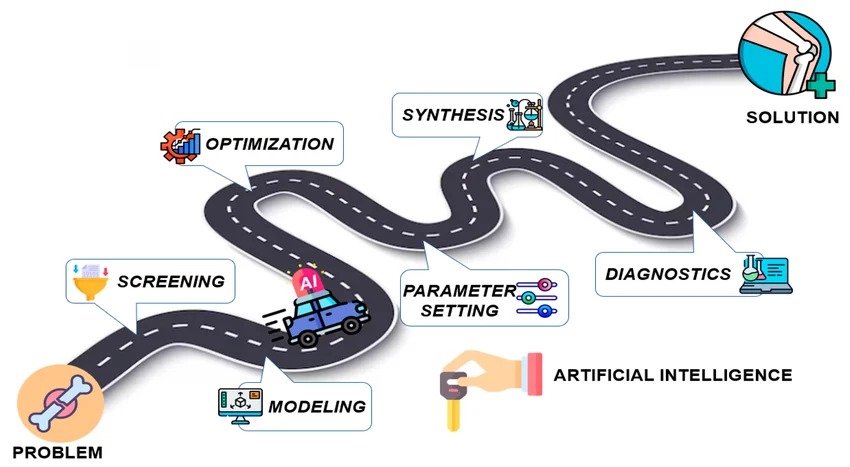
The medical landscape is undergoing a paradigm shift that redefines our relationship with biological longevity. For generations, pharmacological intervention relied on mass-manufactured, one-size-fits-all therapeutics designed to suppress symptoms across broad populations. This macro-level approach is undeniably powerful for acute crises, but it frequently fails when facing the highly unique genetic variations of chronic, metabolic, and oncological diseases.
To solve this complexity, a new era of medical science has emerged: NextGen Med. This framework represents the definitive transition from generalized healthcare to high-precision, molecule-level intervention. By fusing artificial intelligence, genomic sequencing, and cellular therapy, NextGen Med transforms the practice of medicine from an art of educated guessing into a highly predictable digital science.
The Core Blueprints of Precision Intervention
NextGen Med does not merely update existing medical technologies; it builds an entirely new biological architecture from the ground up. This shift is driven by three foundational, cross-disciplinary engines.
 [ NEXTGEN MED ARCHITECTURE ]
              |
              +---> [ GENERATIVE BIOLOGY ]   ---> Custom-Folded Therapeutic Proteins
              |
              +---> [ CELLULAR EDITING ]     ---> CRISPR-Cas12 Real-Time Remodeling
              |
              +---> [ RECONSTRUCTIVE MATRIX ] ---> 3D Bioprinted Vascular Tissues
1. Generative Biology and De Novo Protein Design
Historically, discovering a new drug took over a decade and cost billions of dollars in trial-and-error laboratory experimentation. NextGen Med bypasses this bottleneck using Generative AI models trained on structural biology.
Instead of searching nature for a molecule that happens to fit a target disease receptor, scientists utilize deep neural networks to engineer entirely new, de novo (from scratch) proteins. These algorithms calculate the exact atomic positions required to neutralize a pathogen, designing customized molecular keys that bind perfectly to disease targets while completely avoiding healthy tissues.
2. Live Cellular Editing and Therapeutics
The traditional approach of introducing foreign chemicals into the body is steadily being replaced by living therapeutics. Utilizing next-generation gene-editing tools, like CRISPR-Cas12 and prime editing, clinicians can repair disease-causing mutations directly inside a patient’s living cells.
In oncology, this is best exemplified by advanced chimeric antigen receptor (CAR) T-cell therapies. A patient’s immune cells are harvested, computationally re-engineered to recognize the unique molecular signature of their specific tumor, and re-infused as an active, self-replicating defense force capable of hunting down cancer cells down to the microscopic level.
3. Programmable Tissue Engineering
When an organ fails, the historical recourse has been a desperate wait on a transplant registry. NextGen Med is actively dismantling this dependency through programmable tissue engineering.
By combining patient-derived induced pluripotent stem cells (iPSCs) with advanced 3D bioprinting technology, bioengineers are successfully weaving living, vascularized tissue matrices. These personalized cellular constructs match the patient’s exact genetic profile, completely eliminating the risk of organ rejection and paving the way for on-demand tissue replacement.
The Shift in Clinical Models
The operational differences between our current medical framework and the NextGen Med model reveal a profound evolutionary leap in patient care.
| Clinical Vector | Reactive Medicine | NextGen Med Framework |
| Therapeutic Target | General symptom suppression | Patient-specific molecular mutations |
| Drug Development | Decades of trial-and-error chemistry | Days of predictive generative simulation |
| Treatment Medium | Synthetic, mass-produced chemical compounds | Living, genetically optimized cell lines |
| Long-Term Outcome | Disease management and lifestyle adjustment | Structural cellular repair and absolute cure |
The Molecular Reality: Disease is not an isolated event; it is a microscopic software error written into human DNA or protein expression. NextGen Med provides the biological compiler needed to rewrite that faulty code in real time.
Balancing Innovation with Ethical Oversight
As we unlock the ability to rewrite our own biological programming, we face unprecedented ethical responsibilities. The power to edit genes, design synthetic proteins, and extend human longevity introduces profound systemic challenges.
Ensuring global equity in access to NextGen Med is paramount. If these high-precision cellular therapies remain locked behind massive financial barriers, we risk creating a profound biological divide, where advanced health and longevity become privileges reserved exclusively for high-resource populations. Furthermore, regulatory frameworks must evolve just as fast as the technology, establishing rigorous, automated safety gates to validate AI-generated molecules without slowing down live-saving clinical deployment.
The Dawn of Biological Freedom
Ultimately, NextGen Med is far more than a collection of new medical tools; it is a fundamental reclamation of human health. By treating the human body as an elegant, programmable software system, this framework moves us past the era of managing chronic decline.
When we invest in the deep integration of generative intelligence and cellular editing, we do more than just push back the boundaries of disease. We unlock an entirely new era of human vitality—ensuring that the future of medicine is defined not by how we cope with sickness, but by how completely we heal.
