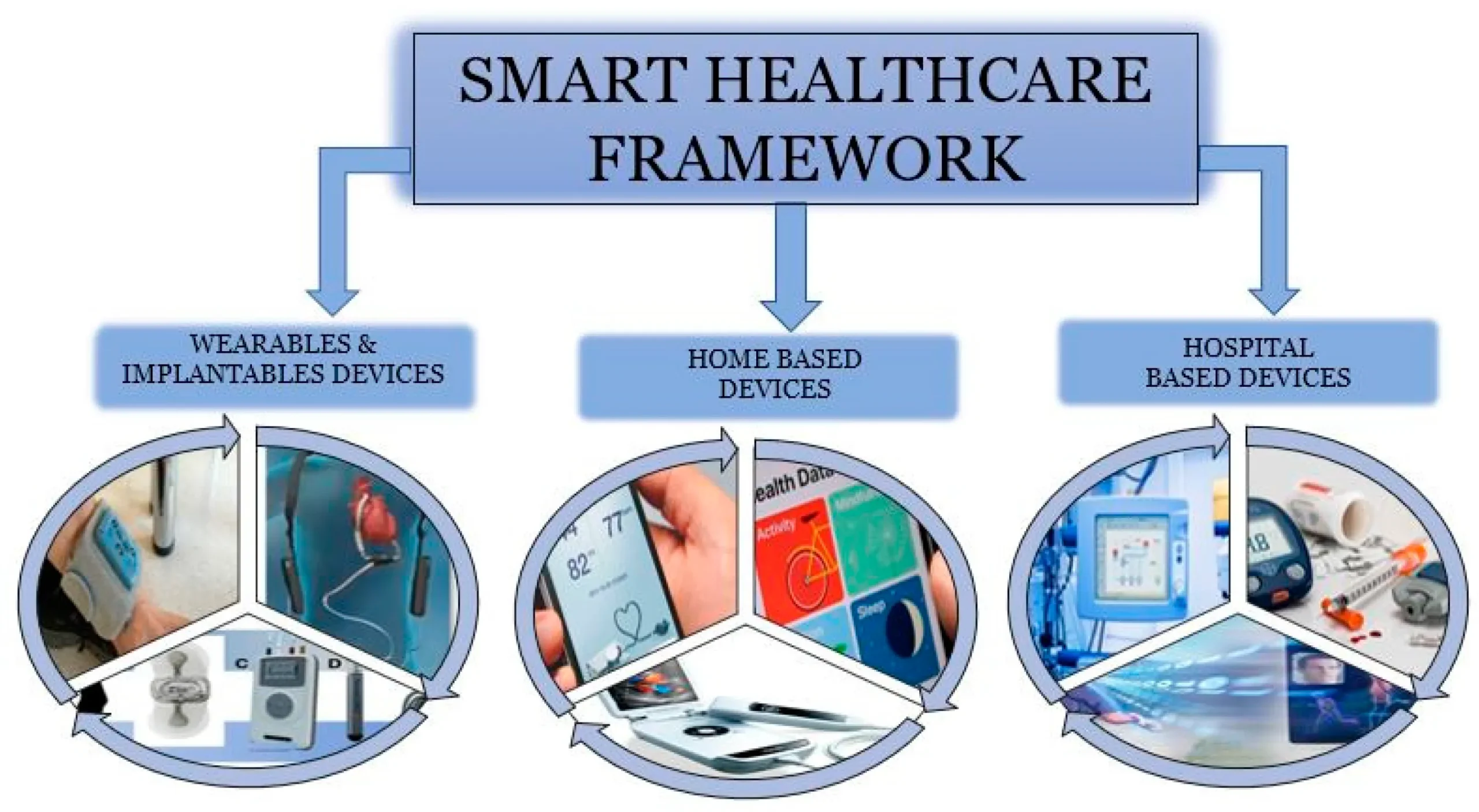
For centuries, medical centers have functioned as reactive hubs—monolithic institutions where patients go only after a physiological system breaks down. This approach creates an inevitable structural bottleneck, resulting in overcrowded waiting rooms, exhausted clinical staff, and a fragmented patient experience. The challenge of modern medicine is not a lack of data, but a lack of infrastructure capable of translating that data into instant, actionable care.
To resolve this bottleneck, forward-thinking medical networks are pioneering a new structural model: Smart Health Central. Rather than serving as another static medical clinic, a Smart Health Central operates as a highly automated, AI-driven command ecosystem. By fusing continuous ambient sensing, predictive edge computing, and unified digital workflows, it transforms the clinical environment from a passive building into an active, intelligent partner in human longevity.
The Three Core Engines of an Intelligent Health Hub
A Smart Health Central replaces old, disconnected administrative systems with a fully integrated digital nervous system. This ecosystem relies on three foundational pillars to orchestrate patient care.
 [ CONTINUOUS AMBIENT BIOMETRICS ] ---> [ EDGE AI ENGINE ]
                                               |
                                               v
  [ AUTOMATED PREDICTIVE TRIAGE ] <--- [ CONTEXTUAL INSIGHT ] ---> [ AGILITY DESIGN ]
1. Passive Ambient Intelligence
The moment an individual crosses the threshold of a Smart Health Central, their care journey is passively coordinated without a single piece of paper. Advanced ambient sensory arrays—including clinical-grade optical depth sensors, thermal imaging feeds, and multi-spectrum wireless nodes—silently map patient progress.
These networks assess baseline mobility markers, respiratory rates, and neurological stress indicators during checkout and transit. This seamless integration eliminates the friction of manual triage, turning the physical space itself into an ongoing diagnostic screening tool.
2. Edge AI Predictive Command
Raw biological data is completely useless if it sits unanalyzed in an offline database. In a Smart Health Central, localized edge computing clusters process incoming data streams in real time.
If an individual’s respiratory depth drops or their pulse variability signals an impending cardiovascular spike, the central AI engine immediately alerts the onsite clinical team. By processing complex biomolecular patterns at the edge, the system flags subtle health declines hours before visible symptoms manifest, moving the point of care far down the timeline.
3. Synchronized Spatial Agility
Traditional hospital layouts are notoriously rigid, keeping patients trapped in specific rooms regardless of their shifting clinical needs. A Smart Health Central uses a modular, agile architecture.
Digital wayfinding arrays automatically guide patients to open, pre-sanitized care pods optimized for their specific diagnostics. Clinical equipment is tracked via real-time location systems (RTLS), ensuring that ultrasound units, biometric monitors, and specialized toolkits are automatically routed to a patient’s room before the physician even steps inside.
Traditional Clinical Center vs. Smart Health Central
When we compare these systems side by side, it becomes clear how an automated infrastructure radically improves operational efficiency and patient safety.
| Operational Matrix | Traditional Clinical Center | Smart Health Central |
| Data Intake | Manual, episodic, and paper-based | Passive, continuous ambient tracking |
| Triage Velocity | Delayed (Dependent on staff availability) | Instantaneous (Automated AI classification) |
| Asset Coordination | Manual searching; frequent supply delays | Predictive routing via RTLS automation |
| Systemic Focus | Symptom management post-crisis | Early prevention and systemic optimization |
The Structural Shift: When automation handles the administrative burdens of healthcare, medical professionals are freed from staring at keyboards. They can return to what they do best: delivering deeply empathetic, high-leverage human care.
Mitigating Burnout and Maximizing Clinical Focus
The benefits of a Smart Health Central extend far beyond the patient experience. The modern nursing and medical workforce is facing unprecedented levels of systemic burnout, driven largely by endless electronic charting and repetitive administrative tasks.
A Smart Health Central combats this strain by introducing ambient clinical documentation. While a practitioner consults with a patient, secure, speech-to-text language models automatically synthesize the conversation, abstracting key clinical findings and drafting comprehensive charts in the background. By eliminating hours of manual data entry, this intelligent infrastructure restores the sacred face-to-face connection between doctor and patient, reducing clinical errors and significantly improving workplace morale.
The Digital Frontier of Longevity
Ultimately, Smart Health Central represents the definitive future of global medical delivery. It proves that superior outcomes are achieved not by building larger hospitals, but by building highly responsive, intelligent spaces.
By seamlessly blending human medical expertise with predictive automation, we do more than just optimize hospital workflows. We build an enduring sanctuary for health optimization—ensuring that every single chapter of the patient journey is fast, safe, and deeply personalized
