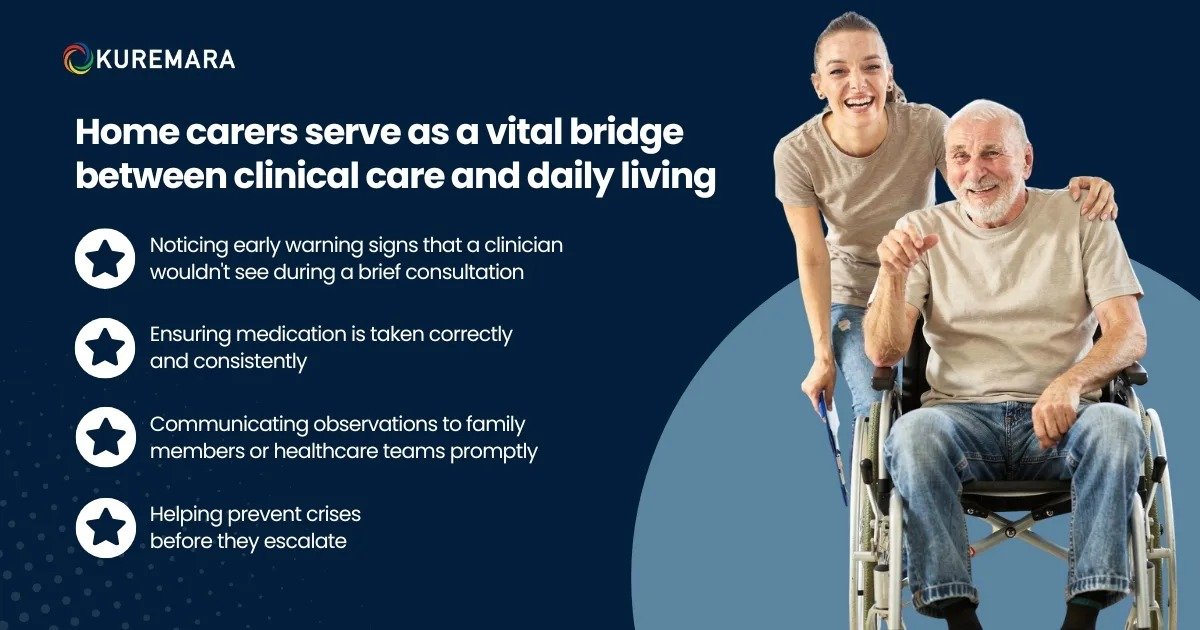
For decades, the standard path of medical recovery has followed a sharp, institutional trajectory. A patient experiences an acute health crisis, spends days or weeks confined to a sterile hospital bed, and is eventually discharged back home with a dense packet of technical instructions. Yet, it is at this exact transition point—the threshold between the clinical ward and the front door—where the healing process often unravels.
The concept of Lifeline Care represents a modern evolutionary shift in healthcare design. It moves past the restrictive idea that complex medical management belongs solely inside hospital walls. Instead, Lifeline Care serves as a highly continuous, compassionate bridge. It brings advanced clinical oversight, personalized nursing, and emotional sanctuary directly into the home ecosystem, ensuring that vulnerable, post-operative, and palliative patients are never left to navigate their recovery in isolation.
The Core Continuum of Home-Based Clinical Support
Lifeline Care is not merely an occasional home visit from a traveling nurse; it is a highly integrated, continuous infrastructure designed to replicate the safety of an inpatient ward without its psychological friction.
 [ HOSPITAL STABILIZATION ] ---> [ TRANSITIONAL THRESHOLD ]
                                            |
                                            v
                                  [ THE LIFELINE VECTOR ]
                                  • Synchronized Monitoring
                                  • Somatic Environmental Safety
                                  • Micro-Dose Care Coordination
                                            |
                                            v
                                 [ FULL HOME SANCTUARY ]
This model relies on three structural dimensions working simultaneously to secure the patient’s recovery container:
-
Synchronized Biometric Monitoring: Utilizing passive, non-intrusive home health technologies—such as wireless smart scales, blood pressure interfaces, and continuous data streams—to track vital shifts in real time.
-
Somatic Environmental Safety: Modifying the home architecture with specialized medical equipment (e.g., electronic profiling beds, precise patient hoists, and clear sanitization boundaries) to minimize physical risk while preserving domestic comfort.
-
Micro-Dose Care Coordination: Replacing rushed, episodic medical appointments with small, highly frequent touchpoints. Clinical teams proactively adjust care strategies daily based on continuous data and active feedback from dedicated caregivers.
Traditional Post-Discharge vs. Lifeline Care
The systemic contrast between traditional, uncoordinated discharge planning and an active Lifeline Care model fundamentally alters the speed and quality of long-term human recovery.
| Operational Indicator | Traditional Discharged State | Active Lifeline Care Model |
| System Visibility | Fragmented (Clinicians lose sight post-exit) | Transparent (Continuous real-time tracking) |
| Response Latency | Reactive (Patient calls emergency line during a crisis) | Proactive (Early intervention via biomarker warnings) |
| Care Delivery Cost | High (Driven by frequent emergency readmissions) | Stabilized (Preventative at-home management) |
| Patient Autonomy | Exceptionally low (Overwhelmed by complex routines) | Exceptionally high (Supported in a familiar habitat) |
The Recovery Reality: An environment cannot be truly therapeutic if it induces psychological distress. When an individual recovers surrounded by their family, their personal belongings, and their natural daily rhythms, circulating adrenaline levels drop, allowing the body to allocate resources toward cellular repair and immune function.
Protecting Critical Transitions: Pediatric and Palliative Frameworks
The profound necessity of Lifeline Care becomes overwhelmingly clear when managing highly complex clinical cases, such as pediatric palliative care and advanced oncology support. For families navigating life-limiting illnesses, a hospital ward can quickly feel like an emotional prison.
Lifeline Care shifts the center of gravity for these families. By providing 24/7 access to specialist community nursing networks and automated symptom-management support, it allows seriously ill individuals to spend precious, uninterrupted time at home. It removes the constant panic of unexpected hospital runs by deploying at-home lab sampling, direct intravenous therapy, and immediate remote clinical consultations. The home is transformed from a site of unmanaged medical stress into a protected, functional sanctuary.
The True Horizon of Modern Medicine
Ultimately, Lifeline Care challenges the outdated idea that superior medicine requires a cold, institutional setting. By combining highly advanced, continuous diagnostic data with deeply human, empathetic bedside care, this model proves that the most powerful clinical intervention is one that seamlessly integrates into a patient’s daily life.
When we invest heavily in building robust, community-centered home health networks, we do more than just lower hospital readmission rates and ease the strain on emergency departments. We restore basic human dignity to the recovery process, ensuring that the final, most vulnerable chapters of healing are defined by comfort, connection, and absolute safety.
